Gaming Industry Shifts to High Alert Over Prediction Markets at G2e 2026
Katja Albrecht · Oct 22, 2026
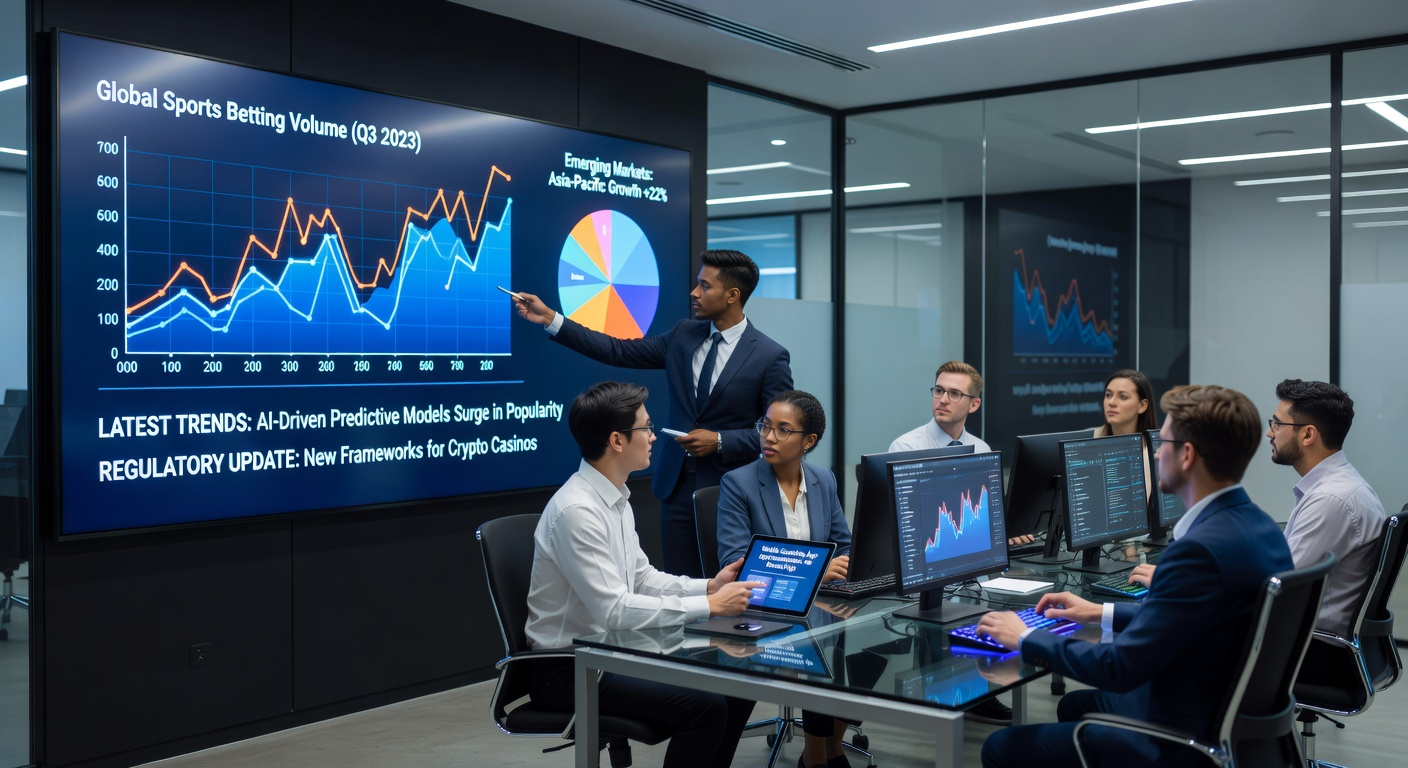
Gaming Industry Shifts to High Alert Over Prediction Markets at G2e 2026
At the opening of the annual Global Gaming Expo in Las Vegas during early October 2026, American Gaming Association CEO Bill Miller characterized the organization as operating on war-time footing while addressing the rapid expansion of prediction market betting. The remarks set the tone for subsequent sessions that examined how these platforms intersect with traditional casino operations and regulatory frameworks.
Panel Discussions Highlight Industry Concerns
Executives from MGM, Caesars, and Wynn joined a state of gaming panel that explored prediction markets in detail. Participants reviewed recent legal developments and outlined how established operators might respond to platforms that allow users to trade contracts on event outcomes. The conversation emphasized coordination between state regulators and federal agencies as betting volumes in this category continue to rise.
Court Decisions Shape the Landscape
Recent rulings from the 6th and 9th Circuits have affected prediction market platforms by limiting certain contract structures. Observers note these decisions create new constraints on how platforms can offer event-based trading while remaining compliant with existing gambling statutes. Industry representatives at the expo discussed strategies for adapting product offerings in light of these precedents.
New York Takes Legal Action
New York state filed a lawsuit targeting Polymarket, one of the prominent prediction market operators. The action alleges violations of state gambling laws and seeks to restrict access for users within the jurisdiction. Legal teams from multiple gaming companies monitored the case closely because its outcome could influence enforcement patterns in other states.
Regulatory Proposals Target Loopholes
The Commodity Futures Trading Commission has circulated proposed rule changes aimed at closing loopholes that currently allow certain casino-style contracts to operate under event contract classifications. The proposed CFTC adjustments would require platforms to demonstrate that contracts do not function as disguised wagers on games of chance. Stakeholders at G2e examined draft language and considered how implementation timelines might affect existing market participants.

Representatives from traditional gaming companies described ongoing efforts to track legislative activity across multiple jurisdictions. Data compiled by industry associations shows prediction market trading volumes have increased substantially over the past two years, prompting calls for clearer federal guidelines. Panelists presented timelines for potential rule finalization and discussed compliance costs associated with revised definitions of event contracts.
Coordination Among Operators and Regulators
Bill Miller outlined steps the American Gaming Association has taken to engage with both state attorneys general and federal oversight bodies. These steps include submitting comments on the CFTC proposals and participating in working groups that address enforcement gaps. Executives from MGM, Caesars, and Wynn echoed the need for consistent standards that apply equally to all market participants.
Attendees also reviewed how recent circuit court outcomes might affect multi-state operations. Some platforms have already adjusted product lines in response to the rulings, while others await further clarification from appellate processes. The discussions underscored the interconnected nature of state and federal regulatory regimes in this segment of the betting industry.
Conclusion
The 2026 Global Gaming Expo provided a forum for gaming operators, regulators, and platform representatives to address the evolving status of prediction markets. Presentations covered legal setbacks in two federal circuits, New York enforcement proceedings, and upcoming CFTC adjustments to event contract rules. Industry participants left the event with updated information on compliance requirements and ongoing coordination efforts aimed at establishing clearer boundaries between traditional gaming and prediction market activities.